(01)
CT (computed tomography)


Our Services
With over 50 years in combined experience, Stahl Exotic Animal Veterinary Services (SEAVS) provides leading edge medical and surgical services for exotic pets, including birds (i.e. parrots, passerines, poultry, etc.), small exotic mammals (i.e. rabbits, guinea pigs, ferrets, rats, mice, gerbils, hedgehogs, sugar gliders, etc.), reptiles (i.e. snakes, lizards, turtles, tortoises, etc.), and amphibians (i.e. frogs, salamanders, etc.). We do NOT examine dogs, cats, primates, venomous snakes, fish, or zoo animals, such as large cats and wallabies.
A CT machine is a sophisticated medical imaging device that combines X-ray technology with computer processing to create detailed cross-sectional images of the body's internal structures. Using a rotating X-ray beam and detectors, the machine captures multiple images from different angles, which are then reconstructed into a 3D representation by powerful algorithms. CT scans are invaluable for diagnosing a wide range of conditions. The technology is most valuable in detecting bone related abnormalities such as fractures and spine related injury. However, the special Vimago CT scan used at SEAVS creates volumetric images(3D) and thus has the capability to identify some soft tissue abnormalities such as tumors, organ disease and abscesses. Utilizing contrast intravenously greatly improves this capability.
(02)
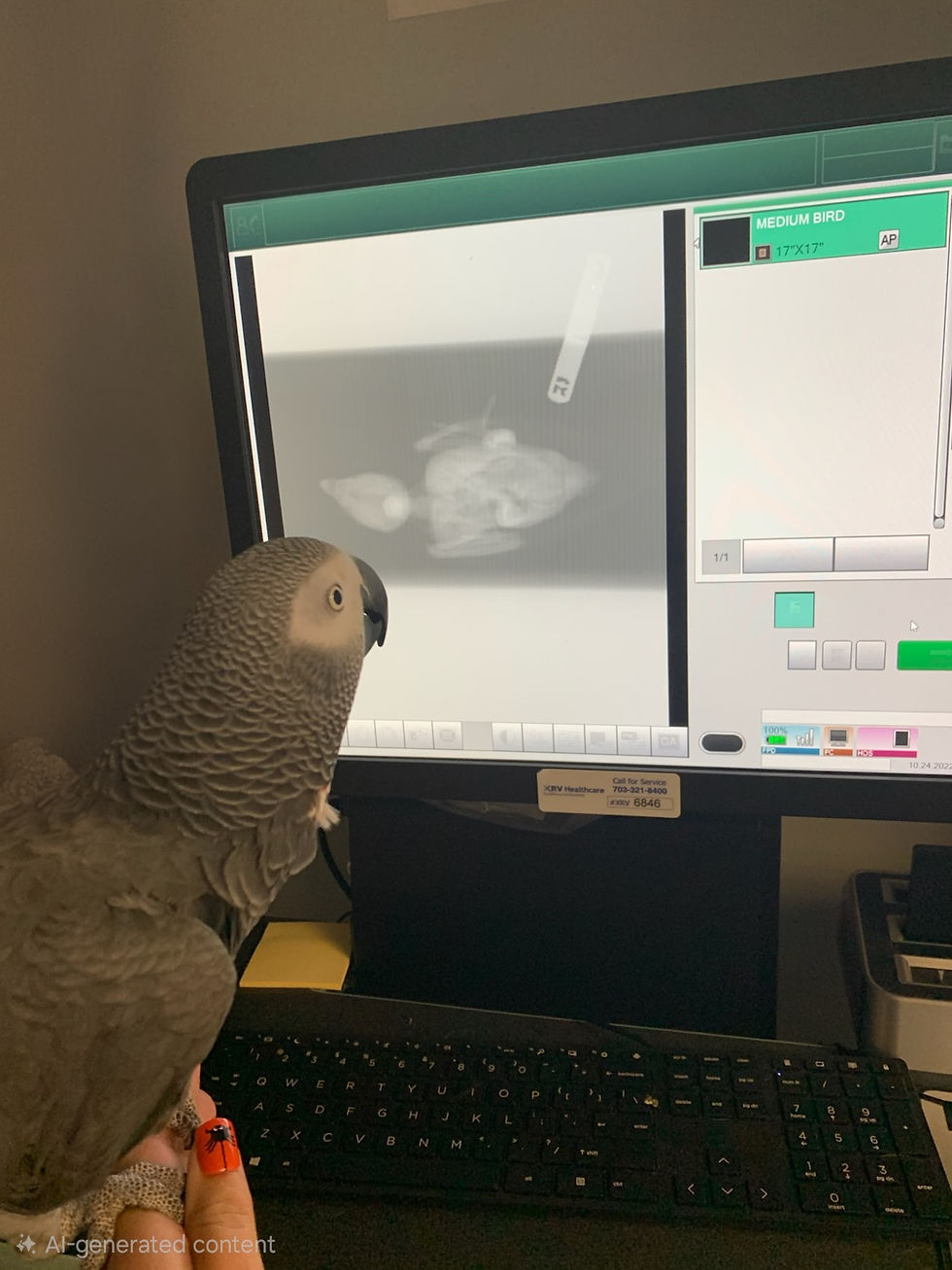
Digital Radiography (DR)


.jpg)
Digital radiography (DR) is an advanced form of X-ray imaging that utilizes digital sensors instead of traditional photographic film. This modern technique offers faster image processing, enhanced clarity, and the ability to digitally manipulate images for better diagnostics.
(03)
Endoscopy


%20-%20Copy.jpeg)
%20-%20Copy.jpeg)


Endoscopy is a valuable tool in exotic animal medicine, offering minimally invasive diagnostic and therapeutic capabilities for birds, reptiles, and small mammals. Because exotic animals often present with unique anatomical differences, such as air sacs in birds or boney shells in turtles and tortoises, traditional diagnostic methods can be challenging. Endoscopy allows us to specifically target and visualize internal structures, obtain biopsy samples, and even perform minor surgical procedures without the need for large incisions
Ultrasound


Ultrasound is a medical imaging technique that uses high-frequency sound waves to create real-time images of the body's soft tissue internal structures. A handheld transducer sends sound waves into the body, and the echoes produced by different tissues are captured and bounce back to the ultrasound probe to generate detailed images of organs, blood vessels, and soft tissues. Ultrasound is widely used for diagnosing conditions related to soft tissues and organs, guiding surgical procedures, and assessing blood flow. It offers a safe non-invasive and highly effective method for patient evaluation.
Soft Tissue and Orthopedic Surgery


Surgery on our unique avian and exotic patients is challenging and quite different from surgery in dogs and cats.
The SEAVS veterinary team has over 50 years of combined experience managing both soft tissue and orthopedic surgical cases and we have all of the specialized tools to aid in our success
(05)
Radio Frequency Surgery

PICTURES COMING SOON

.jpg)
Radiofrequency surgery is a technique that utilizes high-frequency radio waves to perform precise surgical procedures with minimal tissue damage. The process involves volatilization, where radio waves induce localized heat to vaporize moisture within tissue cells, leading to precise cutting and coagulation. This results in targeted treatment with minimal bleeding which is important for our small patients.
(04)
Cold Laser Therapy
PICTURES COMING SOON
Cold Laser therapy is a non-invasive treatment used in veterinary medicine to reduce pain, inflammation, and promote healing. It utilizes photobiomodulation, where laser light stimulates cellular activity, increasing blood flow and accelerating tissue repair. This therapy is commonly used for conditions like arthritis, wound healing, post-surgical recovery, and nerve regeneration.
(07)
In Hospital Lab Services


In Hospital Blood Chemistry:
We use the VetScan Blood Chemistry Analyzer which provides rapid, in-clinic results for a variety of essential blood parameters. These tests help veterinarians assess liver function, kidney health, electrolyte balance, and overall metabolic status in our exotic animal patients. We use the Vetscan analyzer because it only requires a small blood sample and delivers fast results making it a valuable tool for exotic animal care.
In Hospital Lab:
Our in hospital lab performs routine tests such as fecal evaluation, including parasite identification and fecal gram stains and cytology.
Outside Labs:
SEAVS works with several university and private labs around the country to get the most accurate results for tests that cannot be performed in hospital.
Grooming


Our technicians are highly experienced in grooming a wide range of exotic animals—from sugar glider, rabbit and bearded dragon nail trims to budgie beak shaping and macaw wing care. They understand how to safely handle delicate species and are trained to recognize signs of stress, adjusting their approach to keep every patient calm and comfortable.